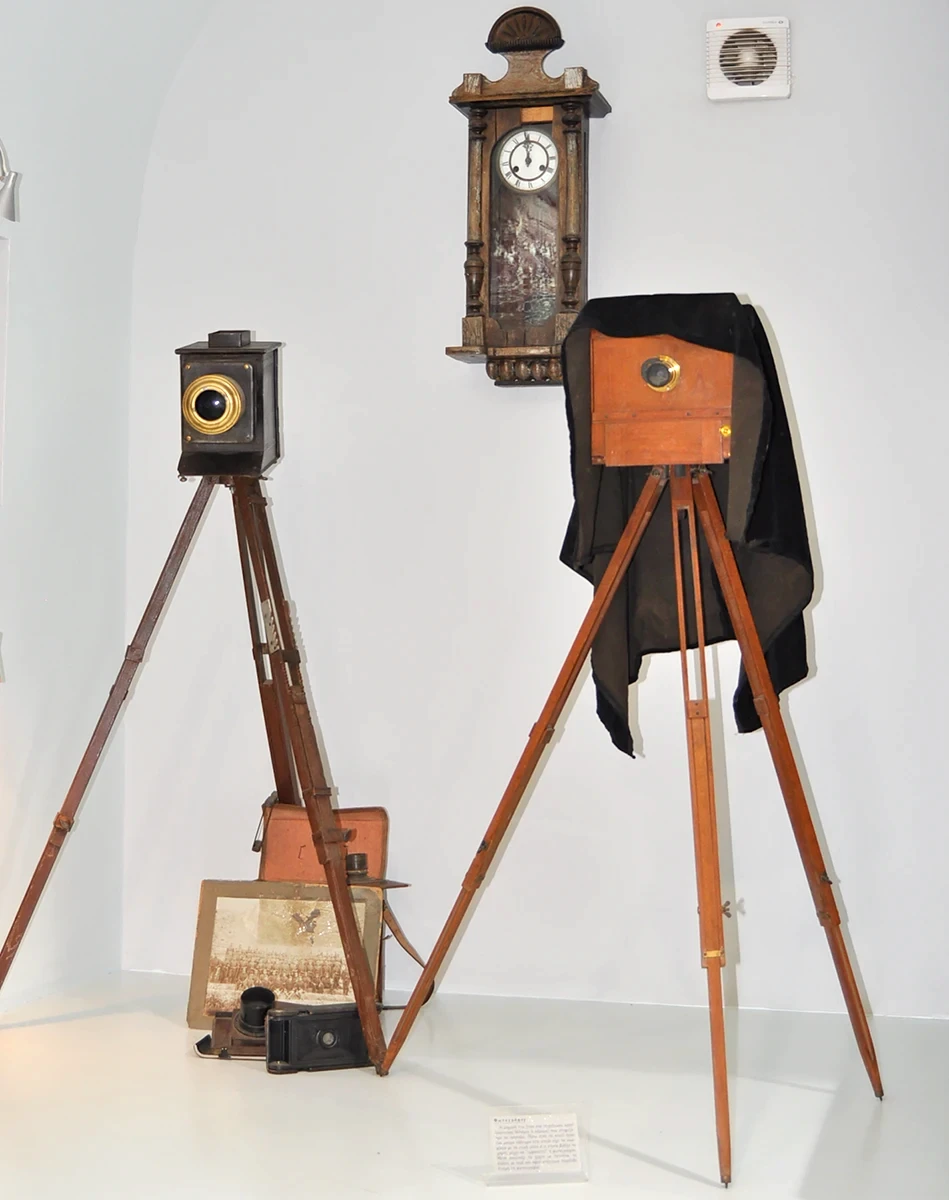
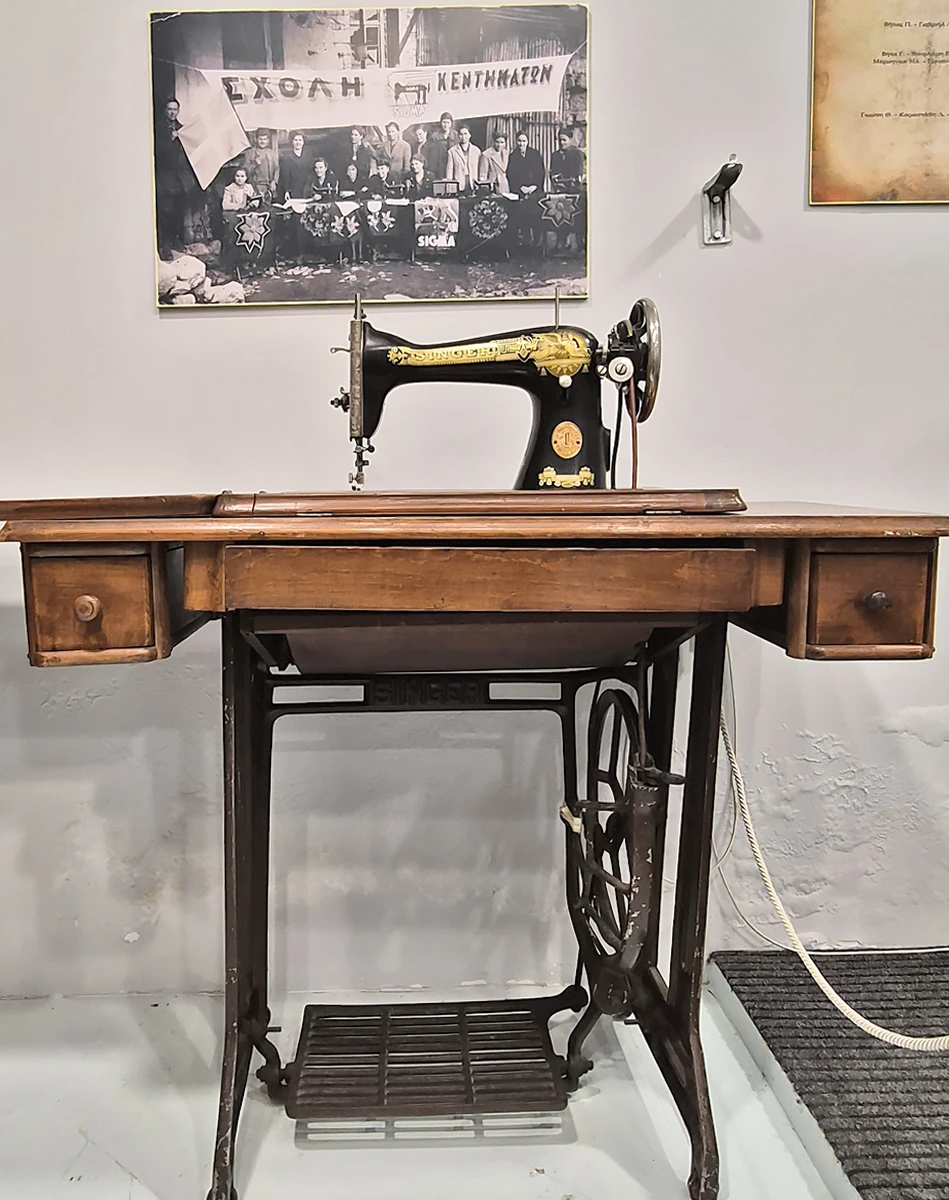
The Museum of Trades of Amfikleia presents the world of traditional professions that supported the daily life of the local community for many decades. Through tools, objects, photographs, and workshop reconstructions, visitors discover the crafts and skills of people who worked with their hands, creating, repairing, and serving the needs of the community.
These professions formed a fundamental part of the economic and social life of Amfikleia, in an era when craftsmanship was passed down from generation to generation, and the workshop was not only a place of creation but also a meeting point for the neighborhood.
The museum aspires to keep this memory alive, presenting visitors with a world that, although largely lost, remains an important part of the local identity.
The Museum of Trades was established as a continuation of the Bread Museum by the Folklore Dance Association of Amfikleia “Dadiotiki Estia.”
The exhibited objects were carefully collected from the local area and originate from old workshops and families of Amfikleia. In this way, not only the material evidence of these professions is preserved, but also the memory of the people who practiced them.
OUR VISION
The aim of the museum is to preserve the history of the professions that shaped the daily life of past generations.
Through the exhibition of tools and working equipment, it seeks to highlight the value of craftsmanship, technical knowledge, and creative labor.
The museum is a space where visitors can explore the way of life of another era and gain an understanding of the role that artisans played in the organization of society.
AMFIKLEIA
Amfikleia, built on the slopes of Mount Parnassus, has a long history and a rich cultural heritage. For many decades, the life of the community was based on agriculture, as well as on a network of artisans who covered everyday needs.
In the town’s small workshops worked farriers, shoemakers, blacksmiths, carpenters, and other craftsmen, who, with their knowledge and experience, served the needs of the local community.
THE COLLECTION
The museum’s collection includes tools, objects, and equipment used in the traditional workshops of Amfikleia.
Through these exhibits, visitors are introduced to the techniques, working methods, and conditions under which artisans carried out their craft.
Each object tells a small story: the story of a profession, a workshop, and the people who devoted their lives to this craft.
THEMATIC SECTIONS
THE FARRIER
The farrier was responsible for shoeing horses and other animals used in transport and agricultural work.
Using specialized tools and metal horseshoes, he protected the animals’ hooves and ensured their safe movement on roads and in the fields.
THE SADDLE MAKER
The saddle maker crafted and repaired pack saddles, essential equipment for transporting loads with animals.
The saddle had to be durable, comfortable for the animal, and suitable for carrying goods and merchandise.
THE SHOEMAKER
The shoemaker was the craftsman who made and repaired shoes. In his workshop, he used leather, wooden lasts, and specialized tools to create durable footwear tailored to the needs of each customer.
THE WEAVER
Weaving was an important activity in traditional life.
Using the loom, fabrics were produced for clothing as well as for everyday household use, such as blankets, rugs, and other woven textiles.
THE BARBER
The barber shop was not only a place for grooming but also a social meeting point.
There, the men of the community would gather, talk, and share news about the area.
THE BLACKSMITH
The blacksmith made and repaired metal tools used in agriculture, transport, and everyday life.
His workshop, with the forge and the anvil, was a place of intense work and skilled craftsmanship.
THE CARPENTER
The carpenter crafted furniture, tools, and wooden structures.
Using hand tools and great skill, he shaped wood to meet the needs of homes and workshops of the time.